
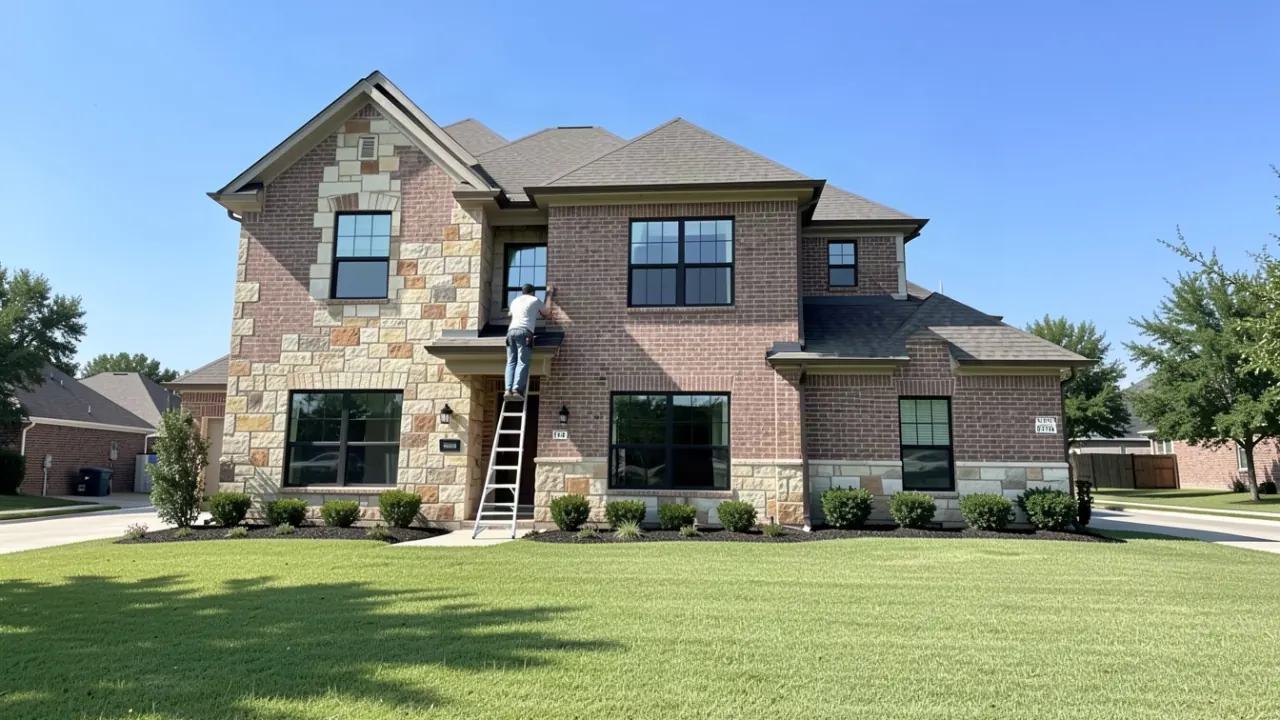
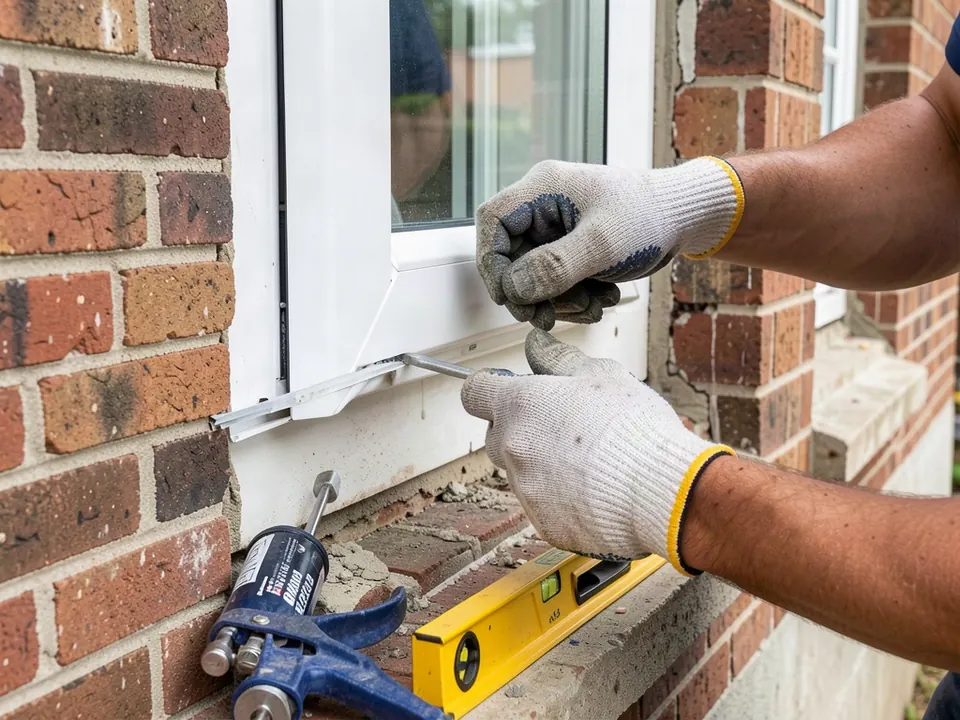
Insert vs full-frame at a glance
Insert installation keeps your old frame, trim and siding in place. It's lower cost, faster and less messy. The catch: the existing frame must be square, level and solid, it can't fix rot you can't see, and it can shrink the glass area a little because the new frame sits inside the old one.
Full-frame installation takes out the head jamb, side jambs and sill. That lets the installer find and repair water damage, add insulation, and change the size or style of the opening. It also disturbs more of the interior trim and exterior finish, which adds cost.
A full-frame job is usually the right call when:
- The frame is rotted, warped or cracked
- The opening is no longer square after settling
- You want a bigger window or a different style
- There are signs of water getting in around the old unit
What install day looks like
For an insert job, the U.S. Building America Solution Center lays out the work roughly like this:
- Remove the old sash and hardware. The crew pulls the sash, balances and stops, then cleans out loose material.
- Prepare the frame. Damaged sills get replaced first. Gaps and old pulley pockets are filled.
- Seal the opening. Corners are caulked and the rough opening is coated with a liquid membrane, since it can't be reached once the window is in.
- Set the new unit. The window goes in from inside per the maker's instructions, with voids insulated and a backer rod and sealant joint around the interior.
- Finish the outside. The head and jambs are caulked to the casing, while the sill is left open so water can drain out.
Full-frame work adds removal of the old frame, new flashing at the rough opening and more trim work. The Department of Energy is blunt about why this matters: even the most efficient window has to be properly installed, with flashing and air sealing done to the manufacturer's instructions, or it won't perform. The Solution Center's insert replacement guide has the full detail.
Labor costs
| Install item | Range | Source |
|---|---|---|
| Insert install labor | $210 to $350 per window, before markup | ProjectCostPro |
| Full-frame upgrade | adds $180 to $300 per window | ProjectCostPro |
| Full-frame install (Angi estimate) | $180 to $1,500 per window | This Old House |
| Frisco permit, window and door replacement | $75, plus $25 per added element, $150 max | City of Frisco fee schedule |
These are national and published figures, not a Frisco quote. The installer sets the real number after seeing the openings. For whole-project prices, see window replacement cost.
Which method saves money over time
An insert costs less on the day. But if the old frame hides water damage, that damage stays in the wall behind the new window, and you pay for it later. A full-frame job costs more now and gives the installer a clear look at the framing, sill and flashing. Many owners mix the two: inserts where frames are sound, full-frame where the pro finds a problem. Ask for the quote to show which method goes in each opening.
Getting the house ready
Clear a few feet around each window inside, take down blinds and curtains, and move anything fragile off nearby walls. Pets do better in a closed room, since each opening sits open for part of the day.
Questions to ask before you sign
- Insert or full-frame, and what did you see that drove that choice?
- How will you flash and seal the opening?
- What happens if you find rot once the old window is out, and how is it priced?
- Will interior trim or exterior siding be disturbed, and who repairs it?
- Who files the permit if the city requires one?
Choosing the window itself? Compare vinyl replacement windows and patio and sliding doors.
Areas we cover for window installation
Window replacement questions
- Do I need to be home during the install?
Usually someone should be there at the start to walk the crew through the house and at the end to test every window. Ask the installer what they need from you.
- Can an insert window go into a rotted frame?
It shouldn't. Inserts depend on a sound, square frame. If the pro finds rot, expect them to recommend repairs or a full-frame install.
- Will an insert make my windows smaller?
Slightly, in most cases. The new frame sits inside the old one, so the glass area shrinks a bit. Ask how much before you decide.
- What is a backer rod?
A foam cord pressed into the gap around the window before sealant goes on. It sets the depth of the sealant joint so the bead can flex without tearing.